
When it comes to self-care and personal growth,
topics like working out, reading, the miracle morning, and decluttering are often discussed.
Out of all these, there’s one thing I personally find most challenging: meditation.
Waking up early isn’t a problem for me
—I’ve been conditioned to do so since my college days.
Exercise? No pressure there either.
I’m not aiming for a perfect physique, so my routine is manageable.
I do a 5-minute sprint daily and attend my weekly Pilates classes without fail.
As for tidying up, I actually enjoy it.
Cleaning is physical, and for me, it’s a time I look forward to
—a chance to move my body and clear my space.
But meditation? That’s a whole different story.
____________________________________________________________________________________________________
The Most Challenging Habit_Meditation
When I try to meditate first thing in the morning,
I find myself distracted by all the things I need to do that day.
Experts say that to meditate well,
you should focus on your breathing and simply acknowledge any thoughts that
arise without trying to push them away.
Sounds easy enough, but in practice, it’s still a challenge for me.
Recently, while reading Tim Ferriss’s Tools of Titans,
I discovered that there are apps designed to help with meditation.
Eureka! Modern society truly leaves nothing out.
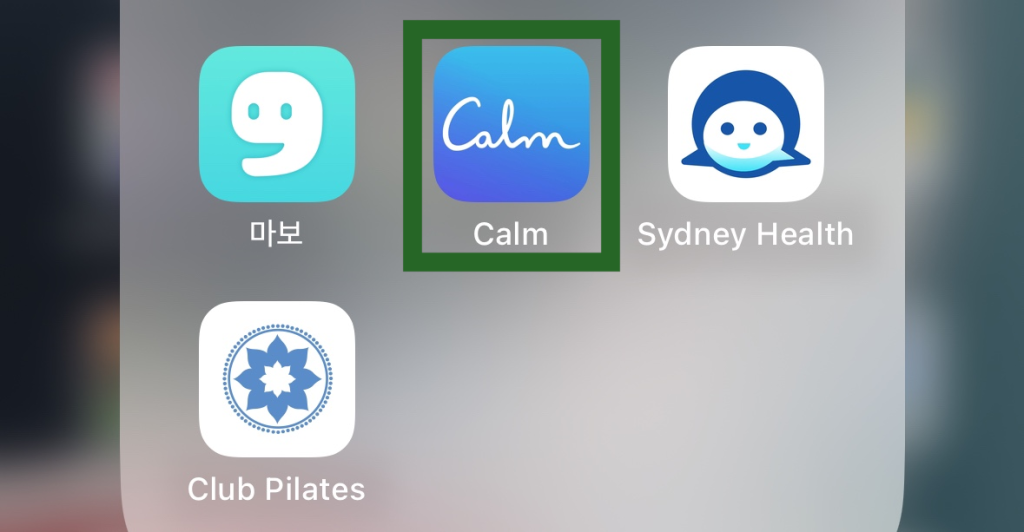
The meditation app I decided to try is Calm.
____________________________________________________________________________________________________
Meditation App_Building Your Meditation Habit, Calm App
Unfortunately, it’s a paid app, but it offers a one-week free trial.
You can test it out and decide if it’s worth subscribing.
While the fact that it’s paid might be a downside, there’s also an upside to it
—when we pay for something, we often make the effort to use it fully to get our money’s worth.
I’m no exception. Whether it’s books, music, or services (like agencies),
I always make sure to pay the full price, use the original versions, and get the most out of them.
If I’ve paid 100%, I make it a point to utilize it 200%.
This mindset is why I’ve been using Calm so diligently. 😊
It’s actually the first app I’ve ever paid for (yes, old-school me… haha).
____________________________________________________________________________________________________
- Basic plan: Free to download, with some free content like sleep stories, mood check-ins, and exercises
- Premium plan: $14.99 / month or $69.99 / year
- Family plan: $99.99 / year for up to 6 premium accounts
- Student plan: $9.99 / year for students, or free for three months with Amazon Prime Student, then $8.99 / year
- Lifetime membership: $399.99, with no need to worry about auto-renewal: goes on sale once a year during the holiday season at a 50% discount. If you’re considering it, that’s the best time to purchase. Who’s paying $400 for an app? No, thank you! 😂
Tip Alert: The Premium Plan I’m using for Calm costs $69.99/year, but here’s a hack:
When you sign up, there’s a trial period before you’re charged. If you use the trial and then attempt to cancel before it ends, Calm will usually offer you a discounted price for the yearly plan. That’s how I snagged it for $49.99/year instead of $69.99.
____________________________________________________________________________________________________
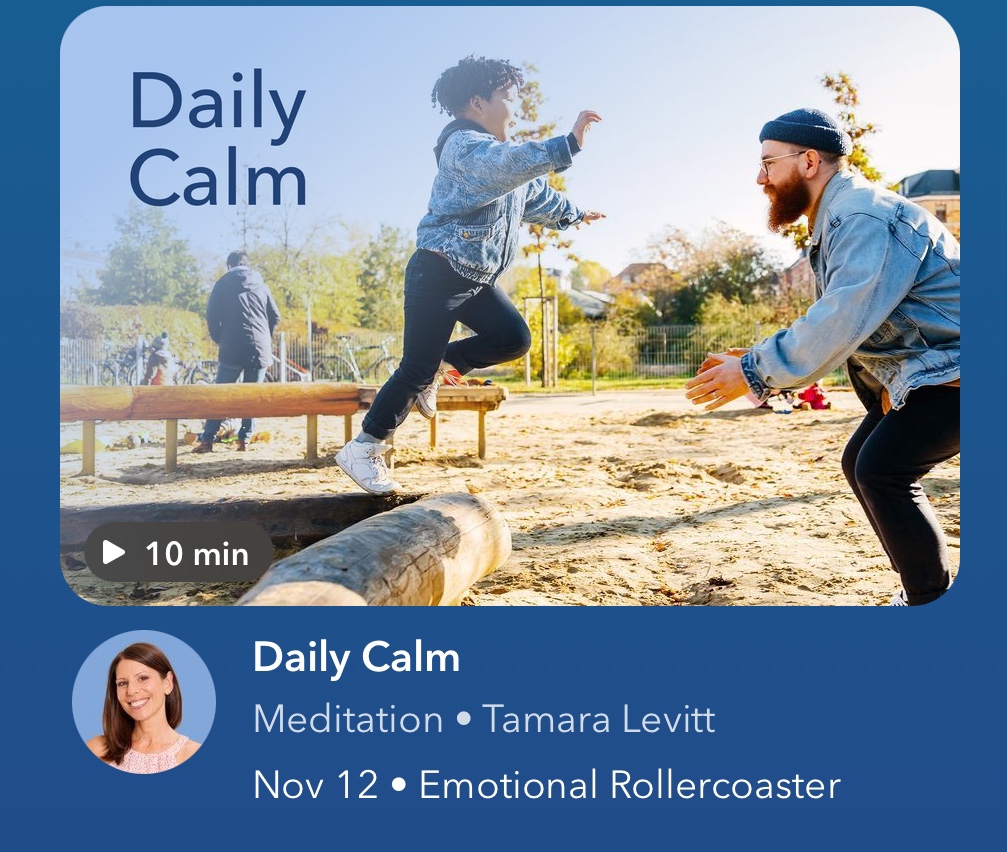
The feature I use most on Calm is the “Daily Calm”
Every day, different meditation guides update the Daily Calm,
and starting my morning with it makes me feel prepared for the day ahead
—it’s a great way to start the day on a positive note.
On nights when I have trouble falling asleep, I turn to Calm’s sleep stories,
which help guide me into a restful slumber.
I also make use of Calm’s content throughout the day,
whether I’m on the bus or the subway, s
—squeezing in moments of mindfulness amidst my daily routine.
It’s been a consistent and rewarding habit for me!
____________________________________________________________________________________________________
Meditation in Everyday Life: Building My Own Habit with the Calm App
In my experience, whether it’s meditation or exercise,
starting with a big plan and rigid schedule almost always leads
—to giving up halfway through.
The key is to let it blend naturally into your daily routine
—doing a little bit every day, consistently.
That’s the simplest and most effective way to stick with it for the long haul.
Check Out Other Posts on My Blog
20 Years of Marriage _ A Story About My Husband